
The Future of Networking: Career Paths, Growth, and Real-World Applications

Mechanical Engineer by qualification with a strong passion for technology and networking. CCIE Routing & Switching and Security (#22239, since 2008). Former Cisco TAC, HP, and Wipro. Currently focused on building free, impactful tools for India. Ongoing projects include Namohos.com, Anantaos.com, and Freefreecv.com.
Networking is the foundation of every digital infrastructure. Whether it’s connecting businesses, securing data transmission, enabling cloud applications, or supporting large-scale e-commerce platforms like Amazon, Flipkart, and BookMyShow, networking is at the core of modern technology. With the rise of cloud computing, cybersecurity, and artificial intelligence-driven networks, the demand for highly skilled network engineers has never been higher.
In this blog, we will explore the vast field of networking, the top career paths, real-world applications, and case studies that highlight the growing demand for these roles.
How Vast is the Field of Networking?
Every organization, from small startups to multinational corporations, depends on networks for daily operations. The networking domain spans across various sectors:
Enterprise Networking – Managing corporate LAN, WAN, and VPNs.
Cloud Networking – AWS, Azure, and Google Cloud-based network solutions.
Network Security – Firewalls, VPNs, IDS/IPS, and cybersecurity policies.
Telecom and ISP Networking – Large-scale internet and 5G networks.
Software-Defined Networking (SDN) – Automation-driven networks.
IoT and 5G Networking – Smart devices, edge computing, and mobile connectivity.
Without robust networking infrastructure, the internet, cloud applications, and even critical banking and healthcare systems would collapse.
Real-World Case Study: The Role of Networking in Amazon’s Success
Company: Amazon
Challenge: Amazon’s massive e-commerce and cloud business rely on secure, scalable, and low-latency networks.
Solution: Amazon Web Services (AWS) invests billions into cloud networking, ensuring high-speed connectivity, secure data transfers, and low-latency performance for its global customers. Impact: This investment has made AWS a $80 billion business, powering companies worldwide. Without expert Cloud Network Engineers, Amazon’s infrastructure wouldn’t be able to handle millions of transactions per second.
Top 15 High-Paying Roles in Networking
1. Network Administrator
Manages daily network operations, ensuring uptime and security.
Works with Cisco, Juniper, and Fortinet devices.
Industries: IT Services, Banks, Data Centers.
2. Network Security Engineer
Protects enterprise networks from cyber threats.
Manages firewalls (Palo Alto, Cisco ASA), VPNs, and IDS/IPS.
Case Study: Banks rely on security engineers to prevent cyber frauds.
3. Cloud Network Engineer
Designs and maintains AWS, Azure, and Google Cloud networks.
Works with VPCs, cloud security, SD-WAN, and hybrid cloud solutions.
Industry Growth: Cloud networking is growing at 40% YoY.
4. Wireless Network Engineer
Deploys enterprise Wi-Fi and 5G solutions.
Works with Cisco Meraki, Ubiquiti, and Ruckus.
Real-World Scenario: Airports need wireless engineers to manage seamless internet access for travelers.
5. Data Center Network Engineer
Manages high-speed data center connectivity.
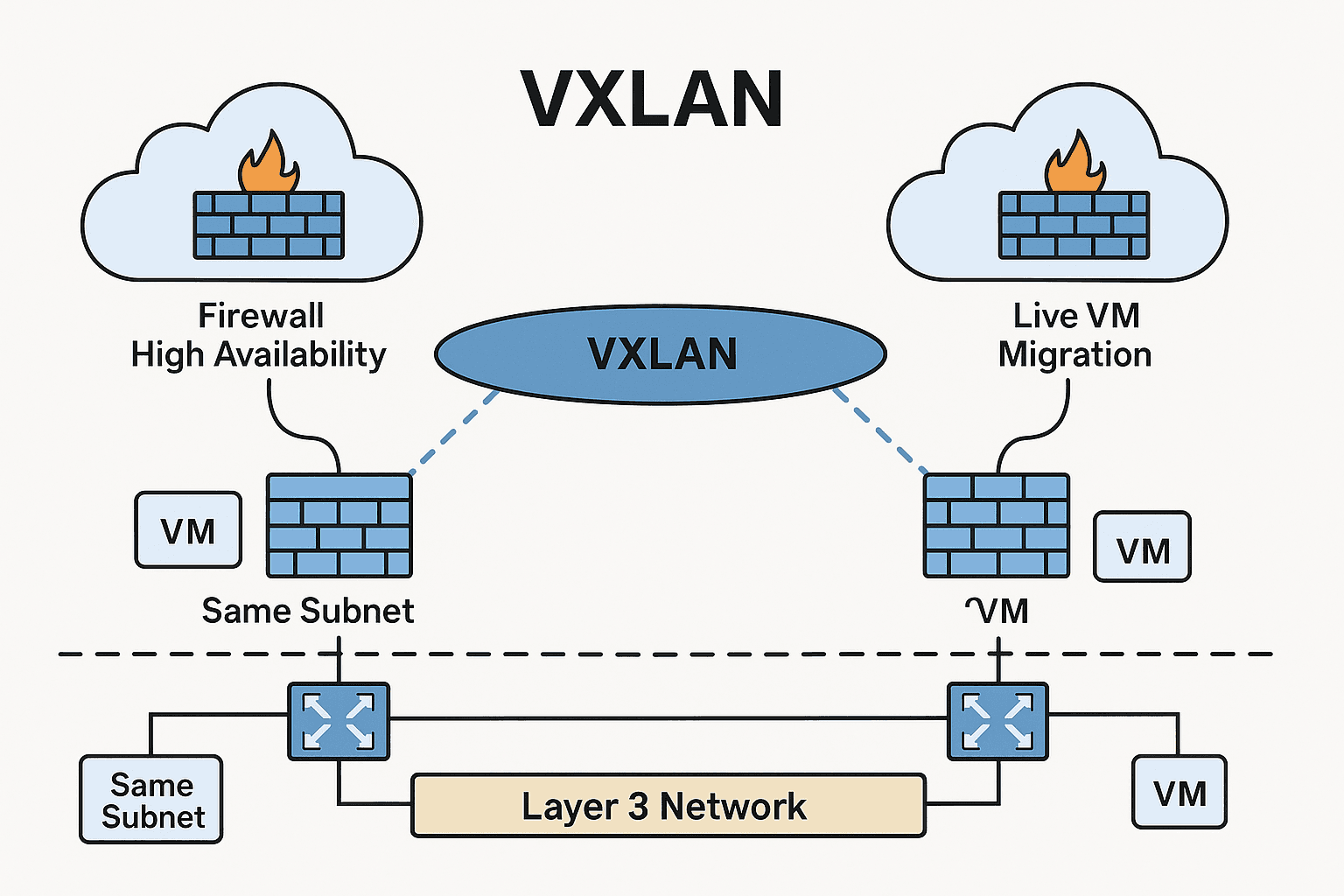
Works with BGP, MPLS, VXLAN, and EVPN.
Example: Facebook’s data centers require these engineers for smooth operation.
6. VoIP Engineer
Implements VoIP, SIP, and enterprise telephony solutions.
Works with Cisco Call Manager, Microsoft Teams.
Use Case: Zoom and Microsoft Teams rely on VoIP engineers for their calling infrastructure.
7. Network Automation Engineer
Automates network tasks using Python, Ansible, and Terraform.
Works with SDN and intent-based networking.
Growth: 60% of enterprise networks are shifting to automation by 2025.
8. SD-WAN Engineer
Implements Software-Defined WAN solutions.
Works with Cisco Viptela, VMware Velocloud.
Scenario: Global companies need SD-WAN engineers for cost-effective branch office networking.
9. ISP Network Engineer
Works in Internet Service Providers (ISPs) managing BGP and MPLS.
Example: Reliance Jio employs thousands of ISP engineers to maintain its 4G/5G network.
10. Firewall Engineer
Specializes in firewall security configurations.
Works with Palo Alto, Fortinet, and CheckPoint.
Scenario: Financial institutions need firewall engineers to protect against data breaches.
11. AI-Driven Network Engineer
Uses AI for predictive maintenance of networks.
Works on Cisco DNA Center and Juniper Mist AI.
Growth: AI-driven networking is projected to be a $10 billion industry by 2030.
12. 5G & IoT Network Engineer
Develops next-gen 5G and IoT infrastructure.
Works with Cisco IoT, LPWAN, LoRaWAN.
Use Case: Smart city projects and autonomous cars require these engineers.
13. Network Solutions Architect
Designs large-scale network solutions.
Works with multi-cloud and hybrid networking.
Example: Consulting firms like Accenture need architects for enterprise clients.
14. Blockchain Network Engineer
Builds secure blockchain network infrastructures.
Works with Ethereum, Hyperledger.
Growth: Blockchain networking is a rising field in fintech.
15. CCIE Network Engineer
The highest-paid networking professionals.
Works on advanced routing, switching, security, and data center solutions.
Example: Cisco-certified experts are hired by Google, Microsoft, and AWS.
Why Networking is a Future-Proof Career
1. High Demand
The demand for network engineers is growing at 10% annually.
Enterprises need skilled professionals for cloud, security, and automation.
2. High Salary Potential
| Role | Entry-Level | Mid-Level | Senior-Level |
| Network Admin | $50K - $80K | $80K - $120K | $120K - $160K |
| Network Engineer | $60K - $90K | $90K - $130K | $130K - $180K |
| Cloud Network Engineer | $80K - $120K | $120K - $160K | $160K - $200K |
| CCIE Engineer | $100K - $150K | $150K - $200K | $200K+ |
3. Future-Proof Skills
Networking will always be at the core of IT infrastructure.
Specializing in cloud networking, SDN, and cybersecurity will ensure career longevity.
Conclusion: Where Do You Fit In?
Networking is an ever-growing, high-paying, and future-proof career. Whether you start as a CCNA-certified engineer or aim for CCIE expertise, the networking field offers unlimited opportunities for growth.
🚀 What networking role are you most interested in? Let us know!